Safe Gas Connections for Appliances and Heating
Gas Line Installation in Rincon and the Low Country area for homes adding new appliances, fireplaces, or heating equipment
PG Custom Plumbing & Water Filtration installs and repairs gas lines for residential appliances, fireplaces, and heating systems throughout Rincon and the Low Country area. Natural gas service is available across Savannah-area communities including Rincon and the Low Country area, where expanding residential infrastructure requires code-compliant installation and thorough testing. Every gas line project demands precise material selection, proper venting, and connection verification to meet local safety standards and prevent hazardous leaks.
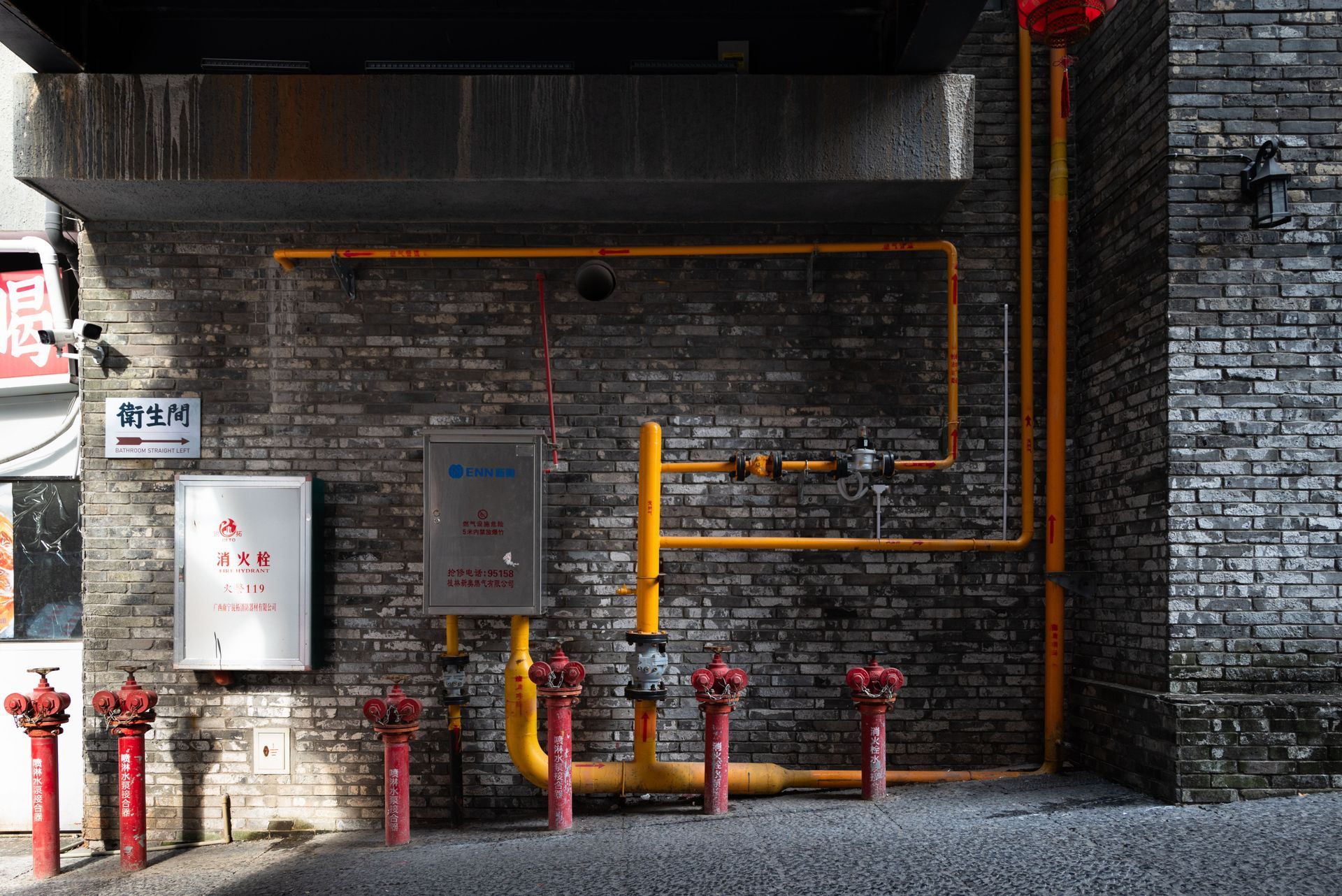
Gas line work involves more than running pipe from the meter to an appliance. The process includes pressure testing to confirm line integrity, leak detection before and after connections are made, and coordination with local inspectors to verify compliance with Georgia gas codes. Material selection matters significantly—black iron, corrugated stainless steel tubing, and copper each suit different installation scenarios, and improper choices create long-term failure risks.
Schedule a property evaluation to determine gas line routing and capacity requirements for your specific appliances.
What Proper Gas Line Installation Requires
Licensed gas line installation begins with sizing calculations based on BTU demand from all connected appliances. Your gas line must supply adequate volume and pressure to each fixture simultaneously—undersized lines cause appliance performance issues, while oversized installations waste material and complicate pressure regulation. The installer runs lines with minimal joints, secures piping to prevent vibration damage, and applies thread sealant rated for gas service rather than general plumbing compounds that can degrade and cause leaks.
After installation completes, you'll notice appliances ignite reliably without delayed starts or weak flames. Properly installed gas lines maintain consistent pressure, so your range burners produce even heat, your water heater recovers quickly, and your gas fireplace operates without soot buildup or odor. PG Custom Plumbing & Water Filtration coordinates permit acquisition and inspection scheduling, ensuring your installation passes code review without delays or costly rework.
Gas line repairs address leaks detected through pressure drops, odor reports, or routine testing. Repair work includes isolating the damaged section, replacing compromised fittings or pipe segments, and re-testing the entire system to confirm leak elimination. Some repairs require excavation if lines run underground, while others involve accessing walls or crawlspaces to reach interior routing.
What Homeowners Usually Ask About Gas Work
Gas line projects raise specific questions about safety, timelines, and local requirements. The answers below address common concerns for residential properties in Rincon and the Low Country area where natural gas infrastructure continues expanding.
What happens during a gas line pressure test?
The installer caps all outlets, pressurizes the system to a specified level, and monitors gauges for a set period—typically fifteen minutes to two hours depending on system size. Any pressure drop indicates a leak that must be located and repaired before the line can be activated.
How long does gas line installation take for a single appliance?
Installation duration depends on distance from the gas meter, access to routing paths, and whether walls or floors require opening. Most single-appliance installations complete within four to six hours, including testing and inspection preparation, though longer runs or concealed routing extend timelines.
Why does Rincon and the Low Country area require permits for gas line work?
Georgia state code mandates permits for any gas line installation or modification to confirm work meets safety standards. Permit processes verify that licensed professionals perform the installation, inspectors review completed work, and documentation exists for future property transactions or insurance claims.
What materials work best for residential gas lines?
Black iron pipe remains the standard for concealed installations due to durability and inspector familiarity, while corrugated stainless steel tubing suits retrofit projects where rigid pipe proves difficult to route. Copper is acceptable in some jurisdictions but requires specific installation techniques to prevent work-hardening and cracking.
When should I repair versus replace an existing gas line?
Repair makes sense for isolated leaks at fittings or short damaged sections, but widespread corrosion, outdated materials like uncoated steel, or lines undersized for current appliance loads justify full replacement. An evaluation identifies whether localized fixes suffice or system-wide updates prevent recurring problems.
PG Custom Plumbing & Water Filtration handles licensed installation, repair, and inspection coordination for all residential gas line projects. Request a detailed estimate that includes material specifications, routing plans, and permit requirements for your specific property.